Sheep, Castles, and Coastal Magic: Why Wales Stole My Heart on Four Wheels
5 July 2026
I thought I knew what to expect from Wales—rolling hills and a lot of sheep. What I actually got was a wild, soul-stirring adventure that completely rearranged my list of favorite places.
Let me set the scene. It was a slightly drizzly Tuesday morning when my partner and I packed up our little rented Vauxhall and crossed the border from England into South Wales. And honestly? The rain just made it better. It gave the landscape this moody, mystical vibe that felt distinctly, beautifully Welsh.
Our first major stop was the Brecon Beacons. If you’re planning this trip, do yourself a favor and hike up Pen y Fan, but go early. We started just after sunrise, and watching the morning mist roll off the peaks felt like stepping into a Tolkien novel. The air is so crisp up there it practically cleans your lungs.
After we dragged our tired legs back down, we drove to a tiny village pub (the name escapes me, but it had a red dragon on the sign) and warmed up with a bowl of cawl. If you don't know cawl, it's a traditional Welsh meat and vegetable stew, and it is the ultimate comfort food after a long hike. I’m convinced it has magical healing properties.
Next, we hit the coast. The Pembrokeshire coast is a different kind of breathtaking. We wound our way through towns like Tenby—pastel-colored houses lining the harbor, totally picture-perfect—and kept pushing west.
Here’s a local tip: skip the main tourist beaches and look for the hidden coves. We found one near Whitesands Bay by following a tiny, unmarked footpath. We had an entire crescent of golden sand and craggy cliffs completely to ourselves. Just watch the tide times! I almost lost my favorite sneakers to an incoming wave because I was too busy taking photos.
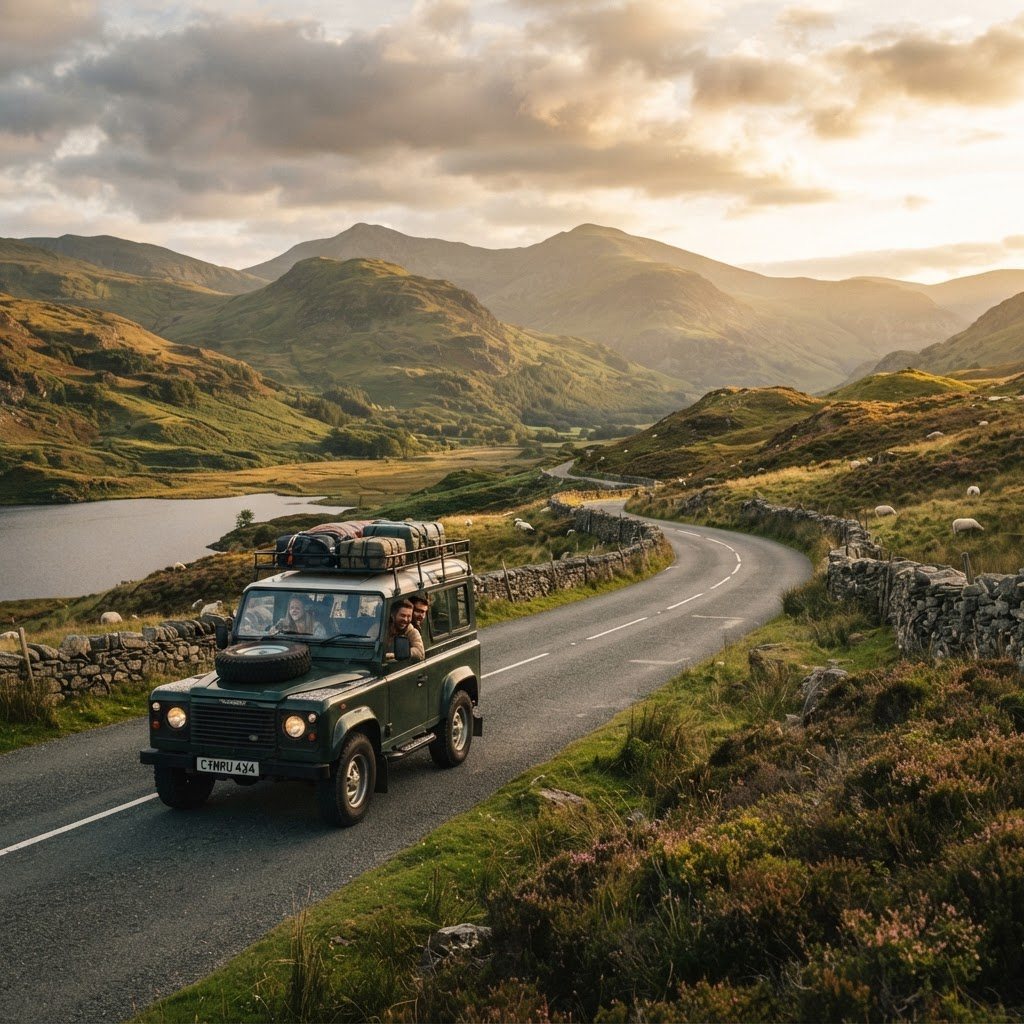
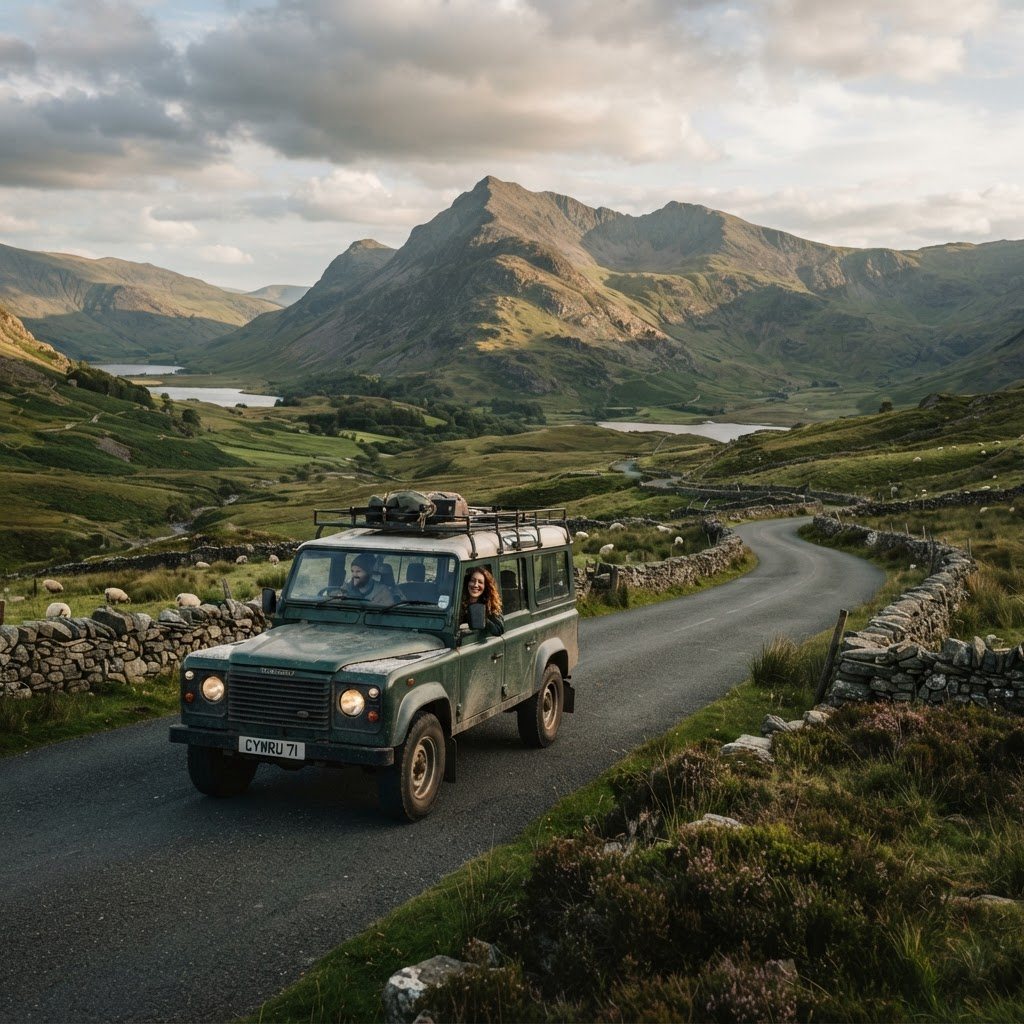
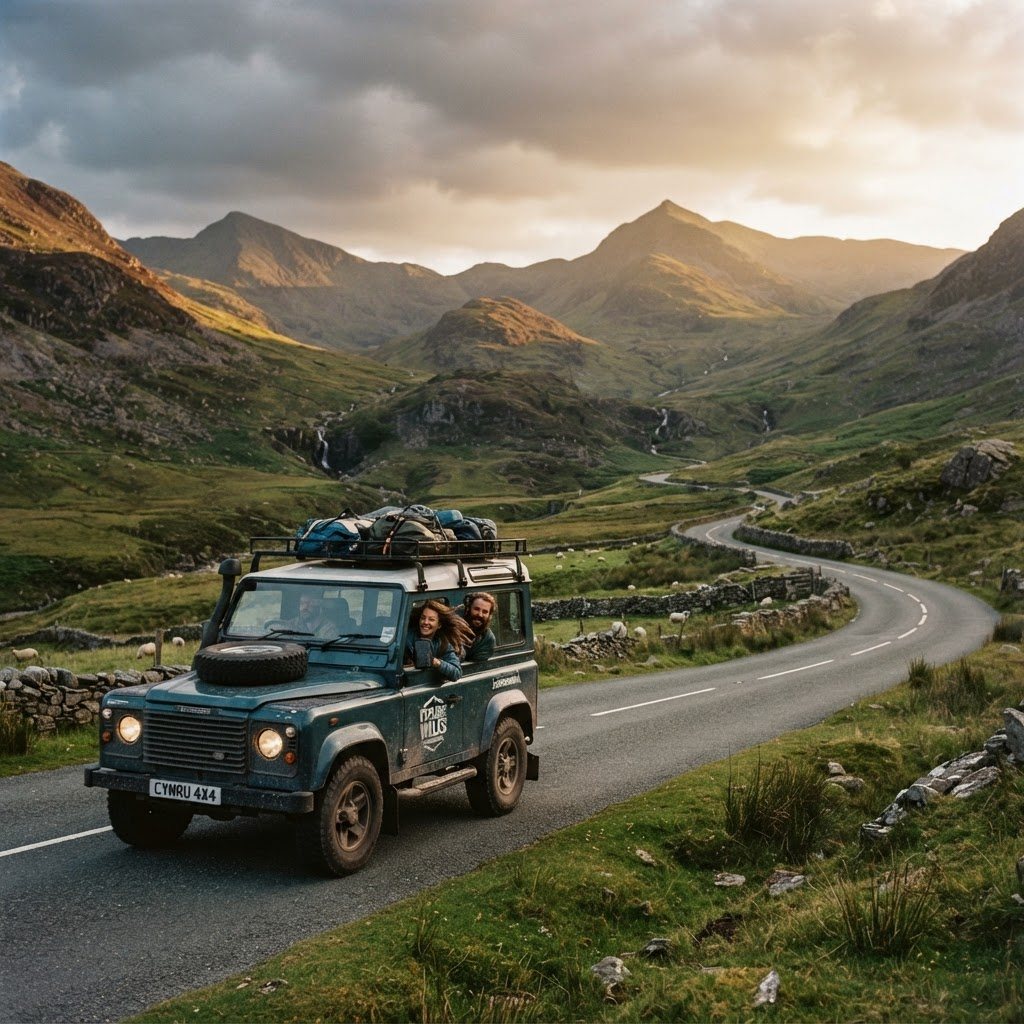
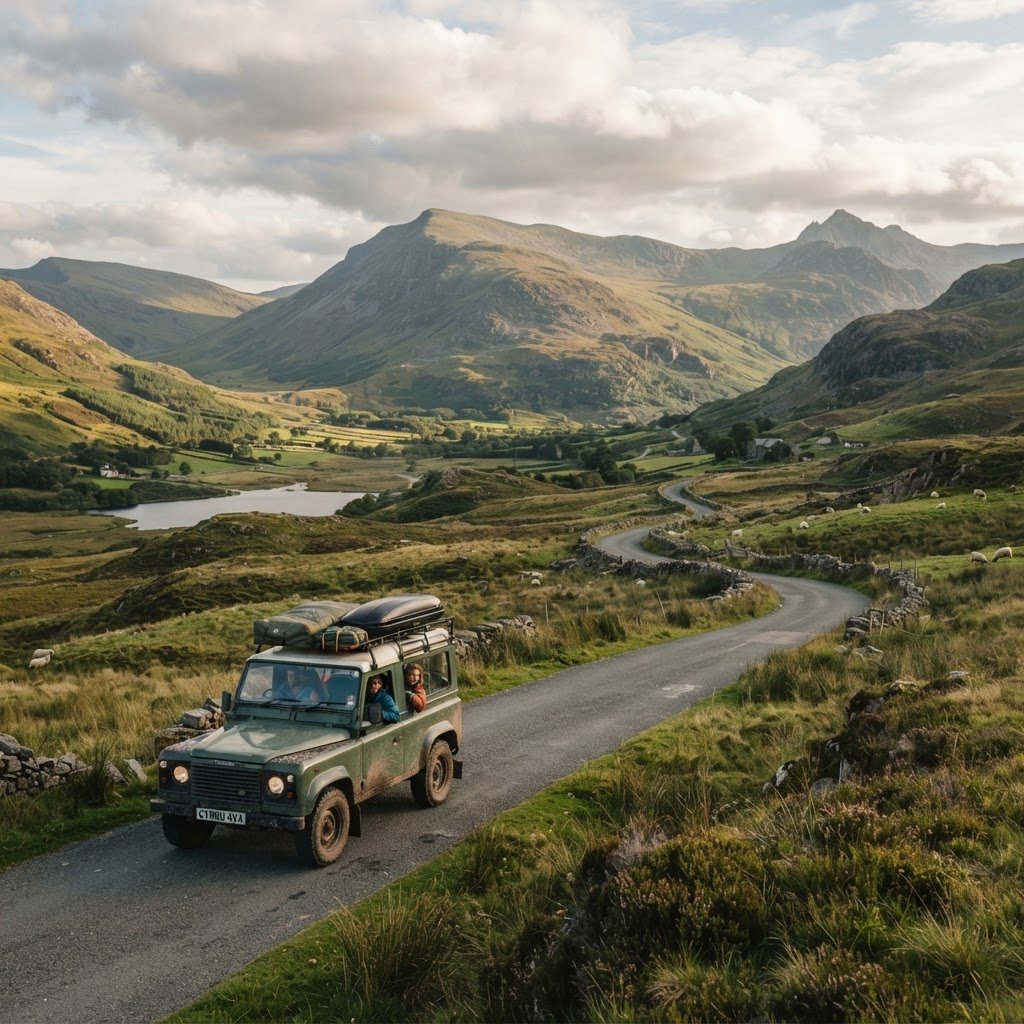
The drive north through Snowdonia National Park was the most challenging part of the trip, but also the most rewarding. The roads get narrow. Like, hold-your-breath-and-fold-your-mirrors-in narrow. There’s a specific type of Welsh politeness when it comes to passing places on single-track roads—a polite wave, a nod. Just embrace the slow pace. You're not in a rush here.
While in Snowdonia, we stopped at a little bakery in Betws-y-Coed. If you see a sign for Welsh cakes, stop immediately. They are essentially little griddled scones studded with currants and dusted with sugar. I bought a dozen, and I’m not exaggerating when I say they didn't make it to the next town.
Before leaving the national park, we detoured slightly to Caernarfon Castle. You literally can't drive through Wales without tripping over medieval history, but Caernarfon is on another level. It’s a massive, imposing fortress right on the water. Walking along the battlements, you can almost hear the echoes of the past. We grabbed an ice cream from a shop nearby and just sat on the ancient walls, watching the boats. It’s those quiet, contrasting moments—ancient stone and melting vanilla cone—that make road tripping so special.
One thing I highly recommend is learning just a little bit of Welsh before you go. Even just saying "Diolch" (thank you) or "Bore da" (good morning) goes a long way. The locals are incredibly warm and clearly proud of their heritage, and making that tiny effort felt like a bridge to real conversations.
By the time we reached the north coast and dipped our toes in the Irish Sea at Llandudno, I was exhausted, full of baked goods, and completely smitten. Wales isn't just a place you visit; it’s a place you feel. The landscape demands your respect, the history invites your curiosity, and the people make you feel like you belong.
If you’re thinking about a road trip this year, point your wheels toward Wales. Bring a good raincoat, an empty stomach, and a sense of adventure. Trust me, this little corner of the world will absolutely steal your heart.